
 Hãng Panasonic






 Hãng Lioa

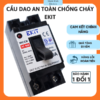
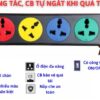
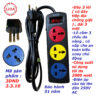
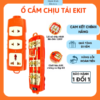
 Hãng Ekit
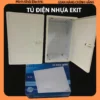
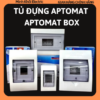
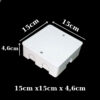
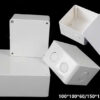
 Hãng Sino Vanlock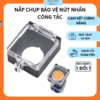

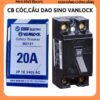
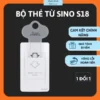

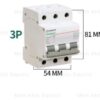
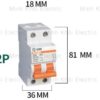
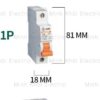
 Hãng Nanoco
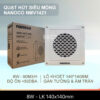
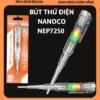
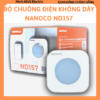

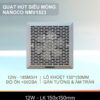
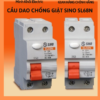
 Cầu Dao
 Thiết bị gia dụng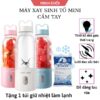



 Đồng Hồ Vạn Năng

 Công Tắc
 Đèn Led

Casino Self-Exclusion Tools Explained: What Australian Players Need to Know

Casino Self-Exclusion Tools Explained: Practical Guidance for Australian Players
Why Self‑Exclusion Matters in the Australian Gambling Landscape
Australian players enjoy a vibrant mix of online casino games, sports betting and live dealer tables, but the excitement can quickly become a problem when bankrolls slip and the thrill turns into stress. Responsible gambling legislation, especially the Interactive Gambling Act 2001, obliges operators to provide clear pathways for players who need a break. Self‑exclusion tools are the most direct method: they lock you out of betting, block deposits and even hide promotional offers such as welcome bonuses.
Thank you for reading this post, don't forget to subscribe!Beyond legal compliance, self‑exclusion protects personal finances and mental health. A player who knows they cannot place a bet after hitting a loss streak can focus on other priorities, avoid chasing losses and keep withdrawal speed fast because no pending bets are hanging over the account. In short, the tool is a safety net that works hand‑in‑hand with other responsible gambling features like deposit limits and session timers.
How Australian Casinos Implement Self‑Exclusion Tools
Most licensed Australian operators embed self‑exclusion into the core account management area. During registration, you’ll see a checkbox for “Self‑Exclusion” alongside standard verification fields (ID, proof of address, and payment method confirmation). Once activated, the system blocks all casino, sportsbook and live casino access for the chosen period, which can range from 30 days to a permanent ban.
In addition to operator‑specific programmes, the national self‑exclusion register – run by the Australian Communications and Media Authority – lets you apply once and have your details shared across participating sites. This means you don’t have to repeat the process for each brand, and the register also flags any attempts to bypass the ban with new accounts or alternate payment methods.
The national self‑exclusion register
The register is a simple online form where you provide your full name, date of birth and a government‑issued ID. After verification, the database notifies all linked casinos, preventing any new registration under the same personal details. It’s a powerful tool for people who have tried “just one more spin” and found themselves back in the same cycle.
Operator‑specific programmes
Major Aussie platforms such as Bet365, Sportsbet and Ladbrokes offer their own dashboards where you can set a temporary “cool‑off” period or a lifelong block. These pages often include a support chat or phone line for questions, and many provide an email confirmation that outlines the next steps for re‑entry, should you ever decide to lift the ban.
Step‑by‑Step Guide to Enrolling in a Self‑Exclusion Programme
Getting started is easier than you might think. Follow these practical steps the next time you feel gambling is getting out of hand:
- Log in to your casino account and navigate to the “Account Settings” or “Responsible Gambling” section.
- Locate the self‑exclusion option – it may be labelled “Block My Account”, “Cool‑Off Period” or “Self‑Exclude”.
- Select the duration you need (30 days, 3 months, 6 months, or permanent).
- Complete the short questionnaire confirming why you’re opting out; this helps the support team understand your needs.
- Submit a copy of a government‑issued ID for verification; most sites accept a driver’s licence or passport.
- Wait for a confirmation email – it usually arrives within a few minutes but can take up to 24 hours for permanent bans.
Once confirmed, the system will automatically disable the mobile app, block all deposit methods (credit cards, BPAY, POLi) and hide any bonus offers. If you use a third‑party payment provider, the casino’s security team will also freeze those links to stop indirect funding.
What Happens After You Enrol? Limits, Monitoring and Re‑Entry
After you’ve activated self‑exclusion, the platform’s security layer monitors any login attempts. If you try to access the site via the desktop, mobile app or a partner sportsbook, you’ll receive a polite message explaining the block and offering contact details for the responsible gambling team.
Should you wish to lift a temporary block, most operators require a written request via the support portal, plus a fresh verification step. This extra hurdle ensures you truly want to return and haven’t been coerced by a friend or a promotional email. For permanent bans, re‑entry is only possible after a mandatory 12‑month cooling‑off period and a thorough reassessment of your gambling habits.
Comparing Self‑Exclusion Features Across Popular Aussie Casinos
Below is a snapshot of how four leading Australian gambling sites stack up when it comes to self‑exclusion tools, support channels and overall responsible gambling suite.
| Operator | Self‑Exclusion Options | Verification Required | Support Channels | Additional Responsible Tools |
|---|---|---|---|---|
| Bet365 | 30 days, 3 months, 6 months, permanent | Photo ID + proof of address | Live chat, 24‑hr phone line, email | Deposit limits, session timers, loss limits |
| Sportsbet | 7 days, 30 days, 90 days, permanent | ID only (driver’s licence) | Phone, email, community forum | Betting cool‑off, reality check pop‑ups |
| Ladbrokes | 30 days, 6 months, permanent | ID + recent utility bill | Live chat, email, social media | Wagering limit, “time out” feature |
| Unibet | 30 days, 3 months, 12 months, permanent | ID + selfie verification | Live chat, 24‑hr phone, email | Self‑limit, loss threshold, educational videos |
Frequently Asked Questions About Self‑Exclusion
Below are the most common queries Australian players send to support teams. The answers are kept short but aim to clear any confusion before you take action.
- Can I still receive promotional emails while self‑excluded? No. All marketing communications are automatically suppressed for the duration of the block.
- Will my existing bonuses be forfeited? Typically, any unused welcome bonus or free spin balance is voided once the self‑exclusion is active, but the casino will retain any winnings you already withdrew.
- Do I need a separate app for self‑exclusion? No. The feature lives within the main app and website; you just won’t be able to log in.
- What if I use a different payment method? The system checks all linked deposit methods. Adding a new card or e‑wallet will trigger a block until the self‑exclusion expires.
- Can I set a temporary limit instead of a full block? Yes, many sites offer “cool‑off” periods that let you gamble with reduced stakes or only on certain games.
Practical Tips to Stay Safe While Using Self‑Exclusion Tools
Self‑exclusion is a powerful first step, but pairing it with daily habits makes the protection stronger. Here are some actionable ideas you can start using today:
- Delete the casino app from your phone and uninstall any related widgets.
- Set a strong, unique password and enable two‑factor authentication on the account before you self‑exclude.
- Inform a trusted friend or family member about your decision; they can help monitor any unexpected contact from the casino.
- Replace gambling time with a hobby – for example, streaming live sports on a legal TV channel or playing free‑to‑play mobile games.
- Keep a record of your gambling spendings in a spreadsheet; seeing the numbers can reinforce your commitment.
Remember, responsible gambling isn’t just about technology; it’s about mindset. If you ever feel the urge to gamble again, reach out to the casino’s dedicated support team or a local counselling service. The tools are there, but the decision to use them stays with you.
For a deeper dive into responsible gambling resources and educational material, visit millikinschool.org.